Few things get us more excited than uncovering the history behind a legendary name in perfumery. Today, it’s Farina 1709, the house that created and named Eau de Cologne back in 1709, kicking off a whole genre that’s still fresh 300+ years later.
A little intro about the house:
In 1709, Italian-born Johann Maria Farina (who moved to Cologne) created a fresh, citrusy “miracle water” he named Eau de Cologne after his new city. He described it as “an Italian spring morning after the rain”. Light bergamot, lemon, neroli, herbs, totally revolutionary compared to the heavy scents of the time.
Farina 1709 is widely credited as the originator of the modern Eau de Cologne style and the world’s oldest continuously family run perfume house (still in the original spot, same recipe). They popularized it across Europe (royals loved it).
Some Italian sources say his relative Giovanni Paolo Feminis had a similar “Aqua Mirabilis” recipe earlier (late 1600s), and Farina refined/marketed it big-time. But mainstream history gives Farina the win for launching/naming it in 1709.
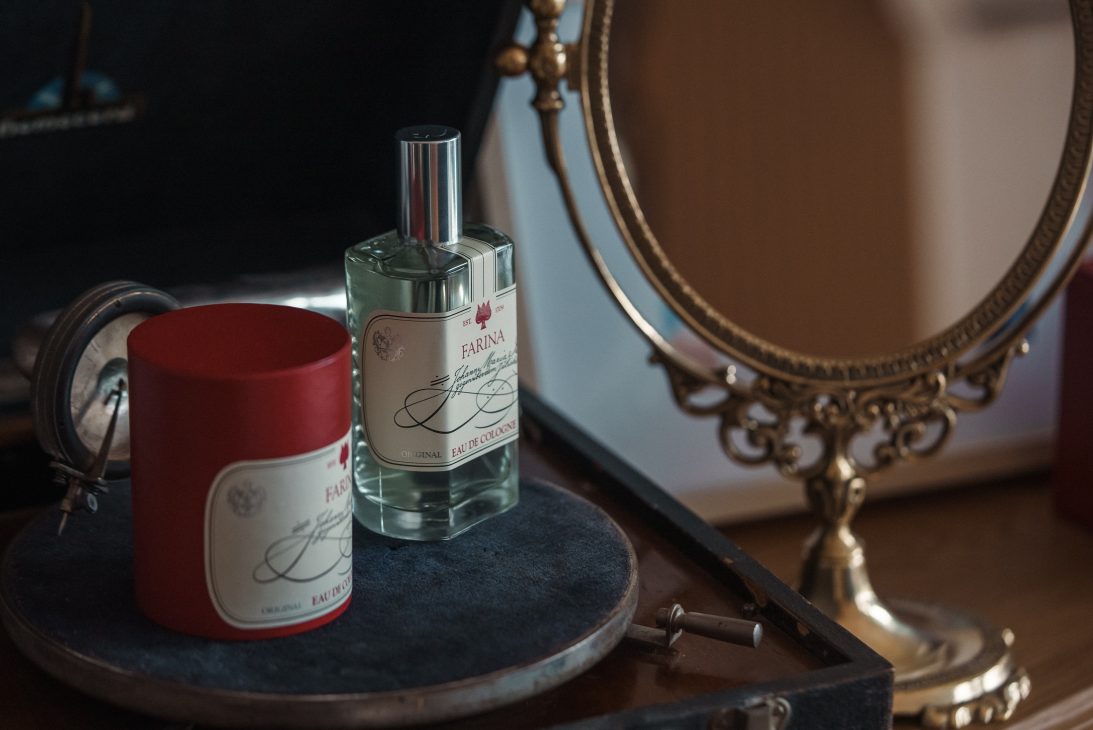
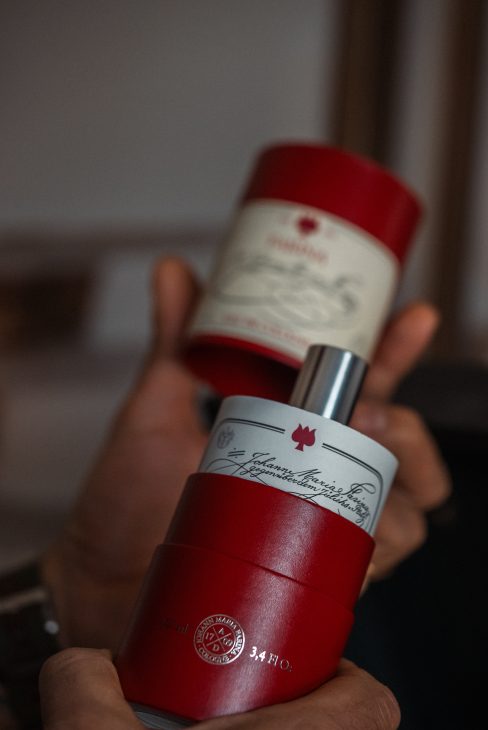
Packaging: Sturdy, elegant, and full of history
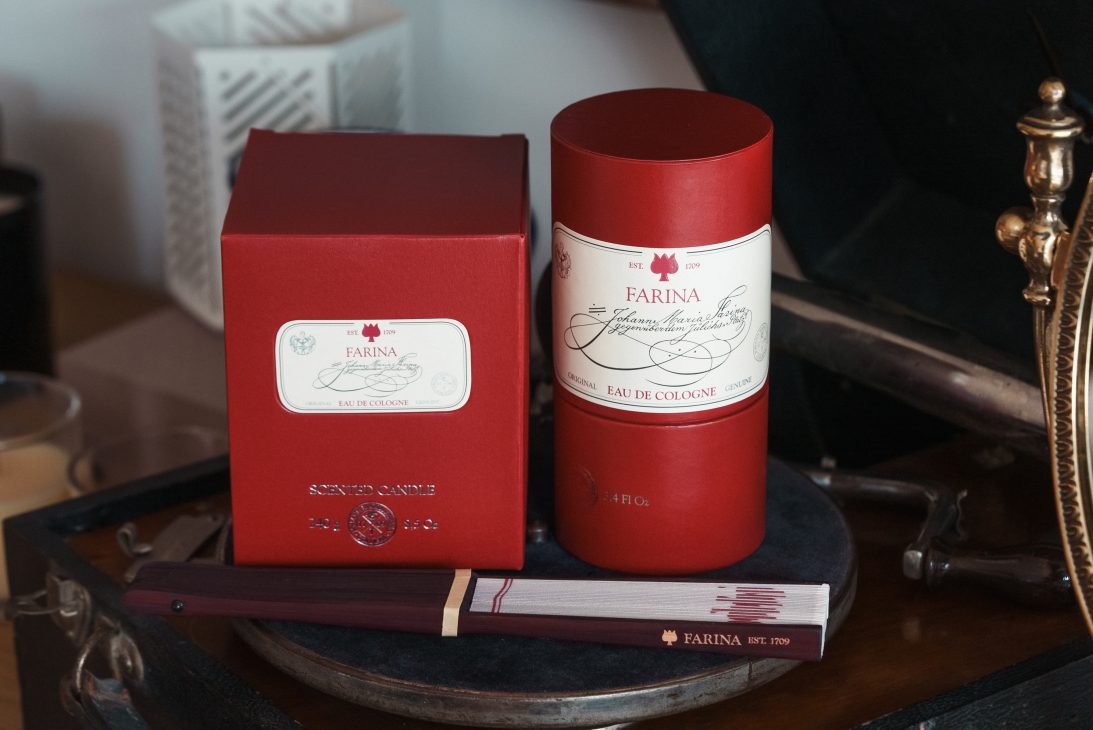
The cologne comes in a sturdy hard cardboard tube that slides open nicely and nothing is flimsy. That elegant red tone is tasteful (it matches the classic Farina red tulip logo from way back), and the label is a thing of beauty on its own. Clean typography, subtle gold accents, timeless feel.
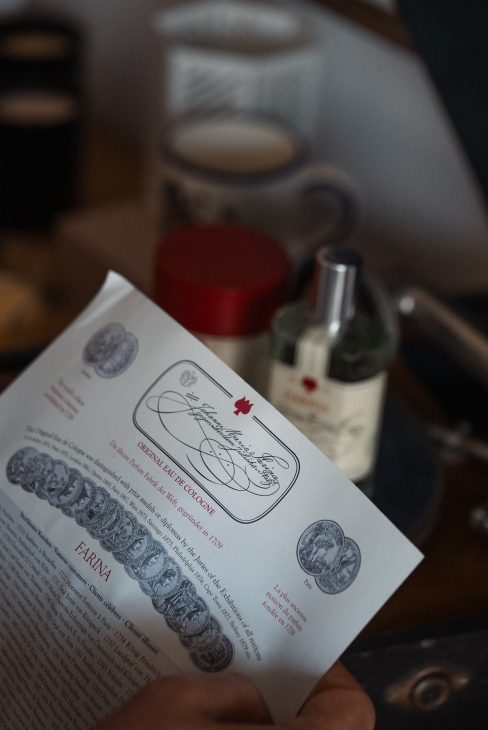
Each one comes with a printed paper certificate tucked inside. Like a little historical note card with key facts about the brand (the 1709 origin, the recipe’s story) and a list of famous customers over the years: Mark Twain, Oscar Wilde, Gabriel García Márquez, Princess Diana, and others. It’s not flashy, just a nice touch that reminds you that this a real history you can hold.
Overall, the packaging feels thoughtful and protective. Keeps everything safe during shipping, looks great on a vanity, and adds that extra layer of “this has been around forever” charm.
Our thoughts on the actual cologne
So, we finally got to wear it/sprayed on skin, clothes, even a test strip for good measure and wow, this Cologne is a weak performer. The opening is bright and sparkling for maybe 10–15 minutes max, then it drops to a close to the skin whisper and lasts about an hour total before it’s completely gone (at least on our skin). On clothes it clings a bit longer (faint citrus trace for a day), but yeah… shocking revelation.
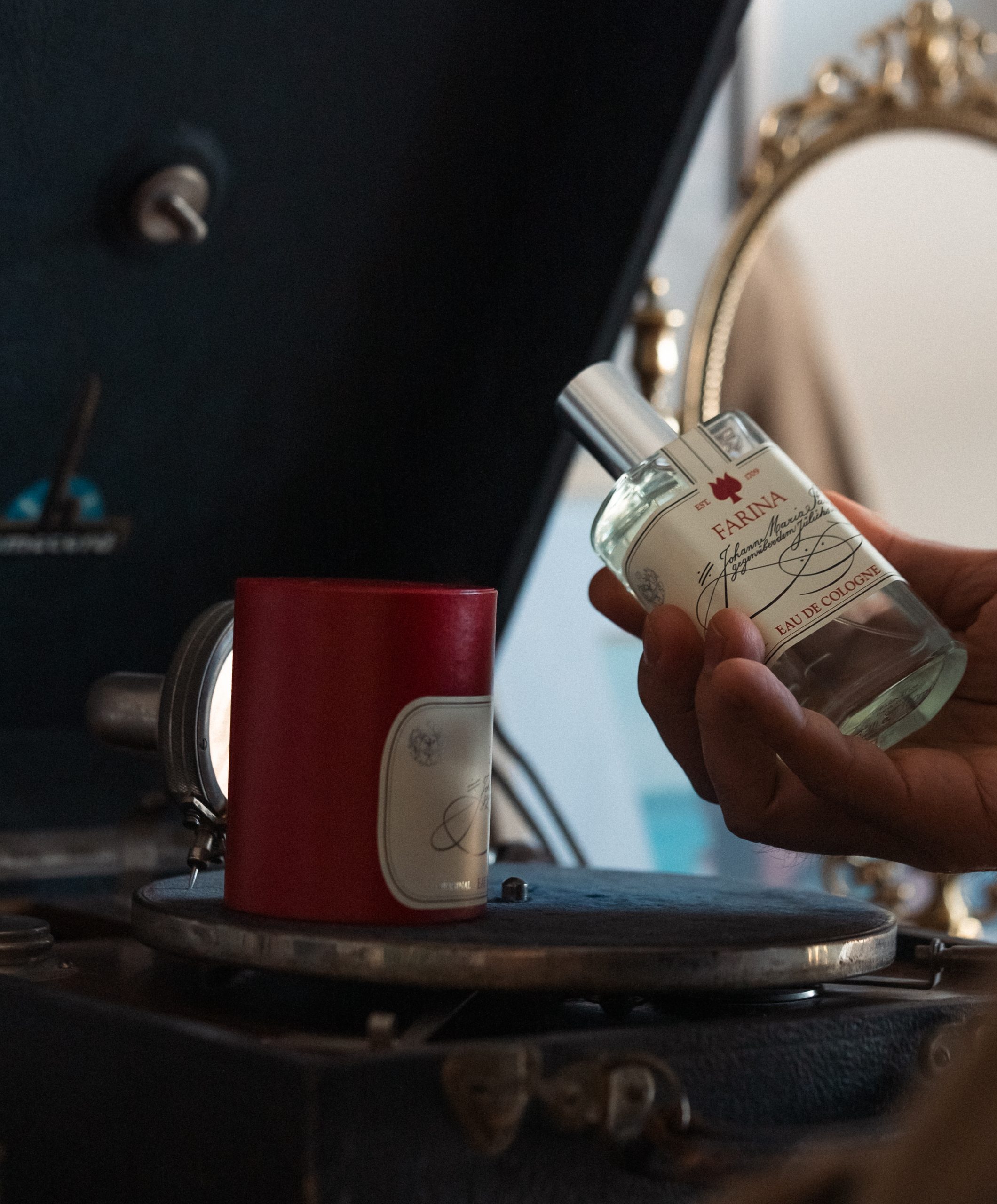
We knew classic Eau de Cologne is supposed to be light (low concentration, around 3–5% oils, meant as a freshener not a beast-mode scent), but this one really takes the prize for vanishing act. Overspraying helps a little but it’s still not hanging around.
On the bright side, the price is relatively affordable (way cheaper than most niche stuff we review), so it kinda compensates you can reapply without going bankrupt. It’s like the ultimate “refresh and go” splash for hot days.
Now, the smell itself
It’s a simple and straightforward aroma. A blast of fresh, clean and sparkling citruses with some floral backbone. This is a perfume you won’t struggle to describe when it comes to the notes. It’s an aroma that somehow transports you back in time and makes you think of those elegant, classy gentlemen from back in the day. At home we found it more masculine, and the first time we sprayed it on skin, the very first thing that came to mind was the smell of that cologne they spritz after you’ve had your beard done with an old school razor in a traditional European barber shop.
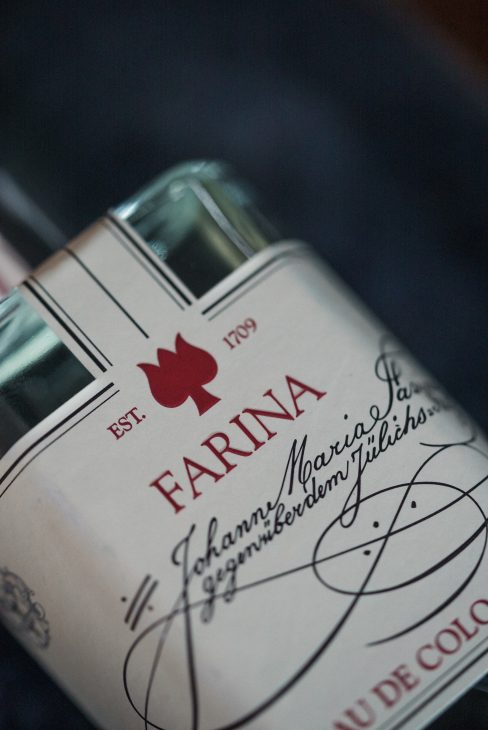
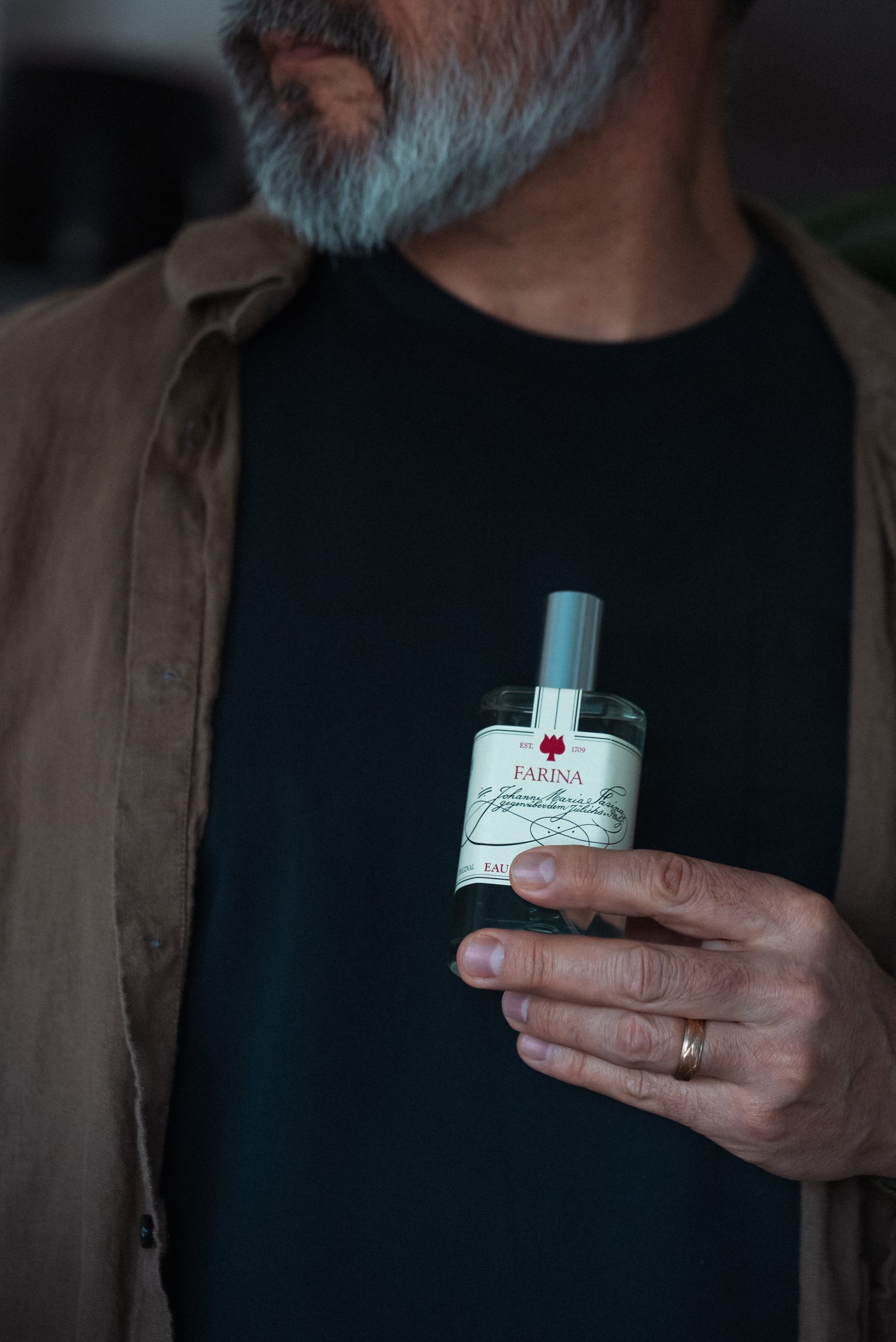
Overall, it has a very pleasant and timeless feel even though the formula it’s 300+ years old, but yeah, expect to enjoy the opening sparkle before it’s gone. We still appreciate it for what it is, pure history in a bottle, the original that started the whole cologne trend. Just don’t expect all day power. If you’re into fresh citrus refreshers and don’t mind reapplying, it’s worth having around.
A quick note on the sprayer and bottle
The sprayer isn’t the best we’ve come across. It’s functional and does the job but it’s basic and a bit finicky if you’re used to modern high end atomizers. Nothing fancy or luxurious here.
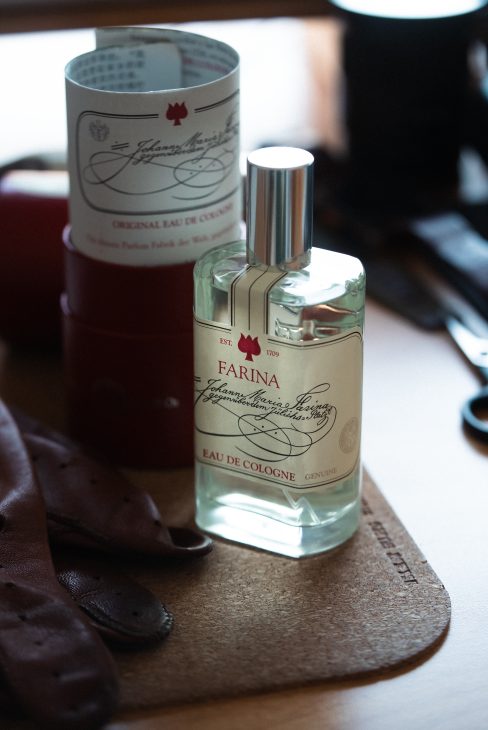
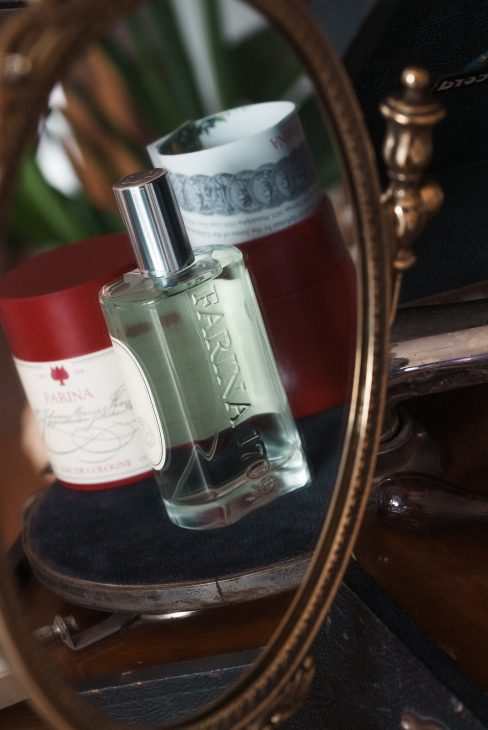
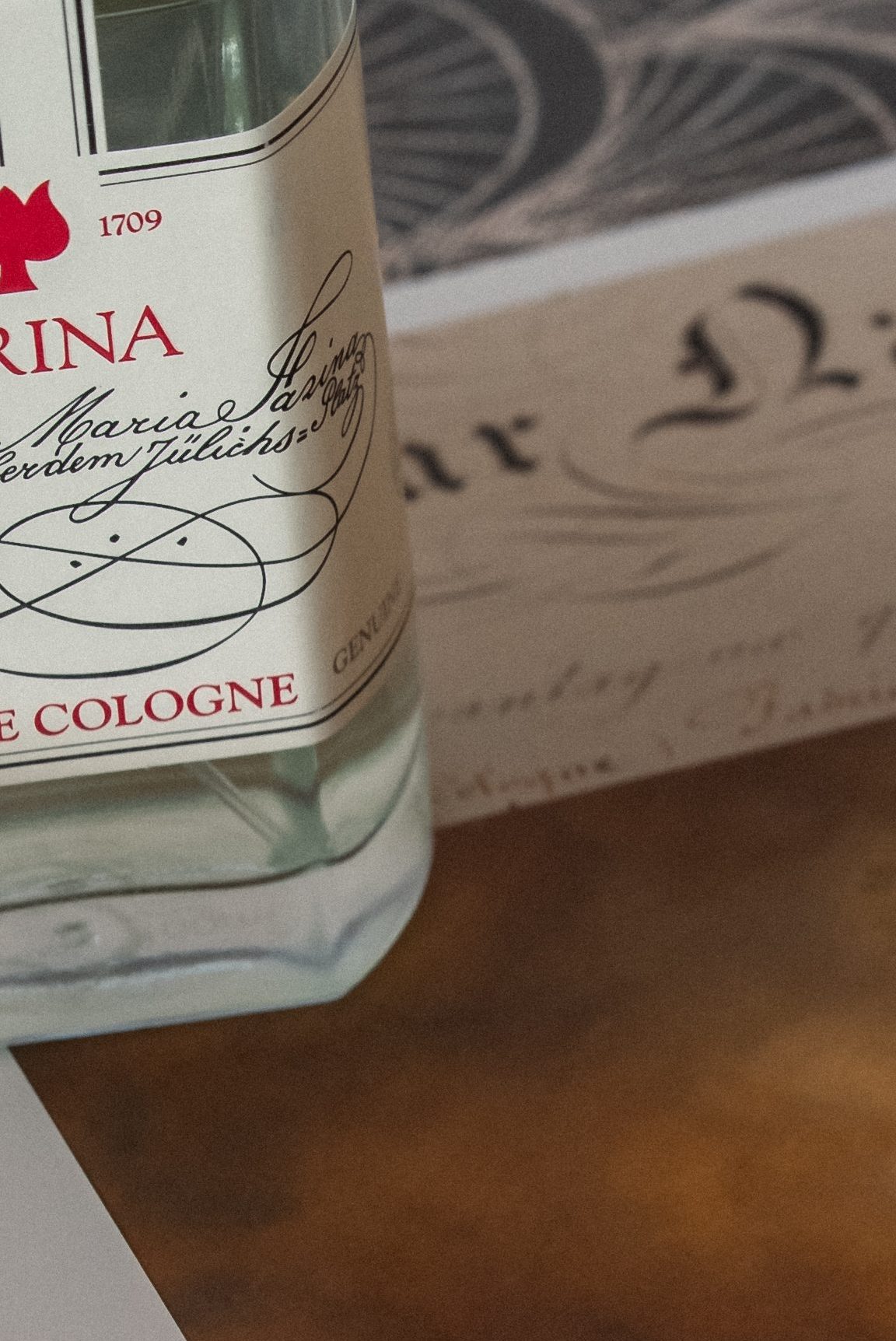
The bottle itself is sturdy glass, solid weight in hand. The company name is embossed on the back with a simple paper label on the front that’s clean and elegant. Topped with a silver cap that has their famous tulip symbol embossed which is a nice little detail that nods to the original 18th century design.
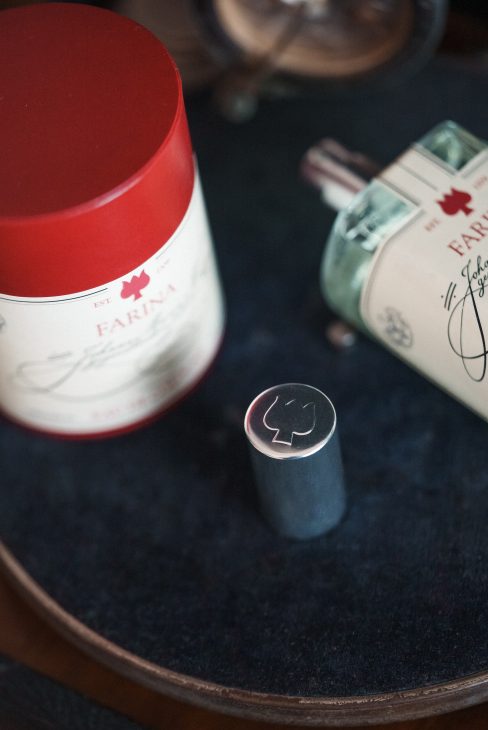
We also tried their scented candle
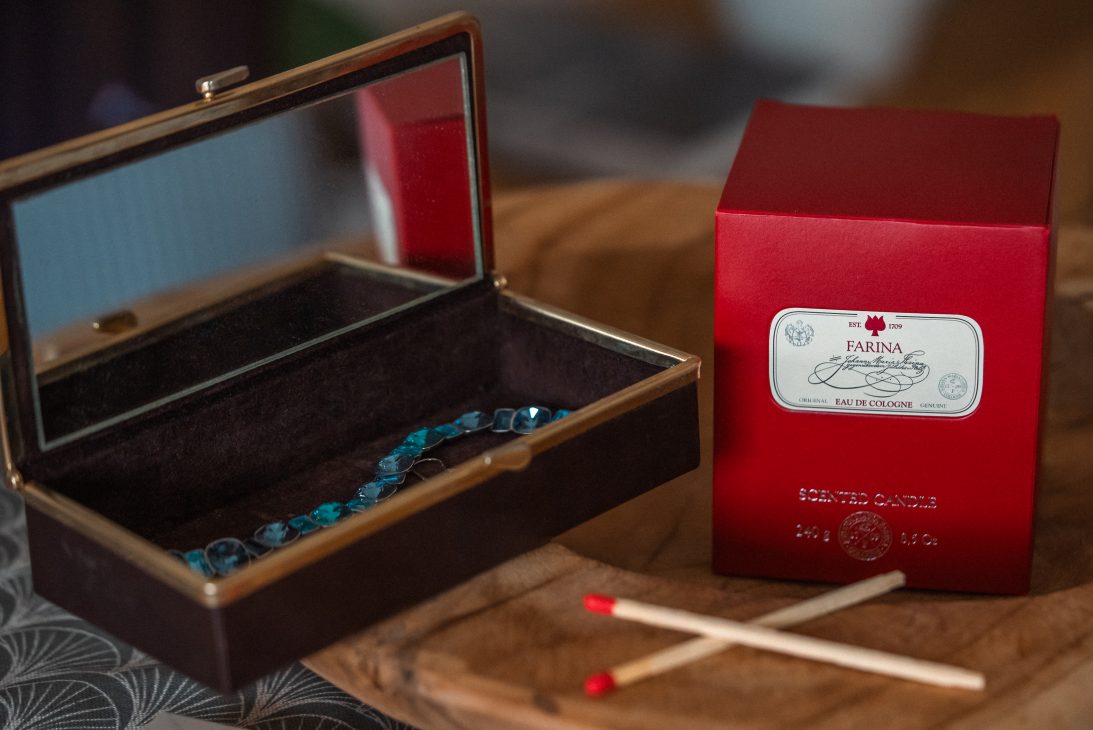
In the same Original Eau de Cologne scent and it’s a nice little home upgrade. The aroma is basically the cologne but dialed up for indoors with some extra olfactory layers that make it feel a tad warmer and more enveloping when burning.
Official notes match what you’d expect. Top of bergamot, lemon, bitter orange, and lime for that bright citrus opening. A heart of jasmine and neroli for a soft floral touch and a base of amber and musk.
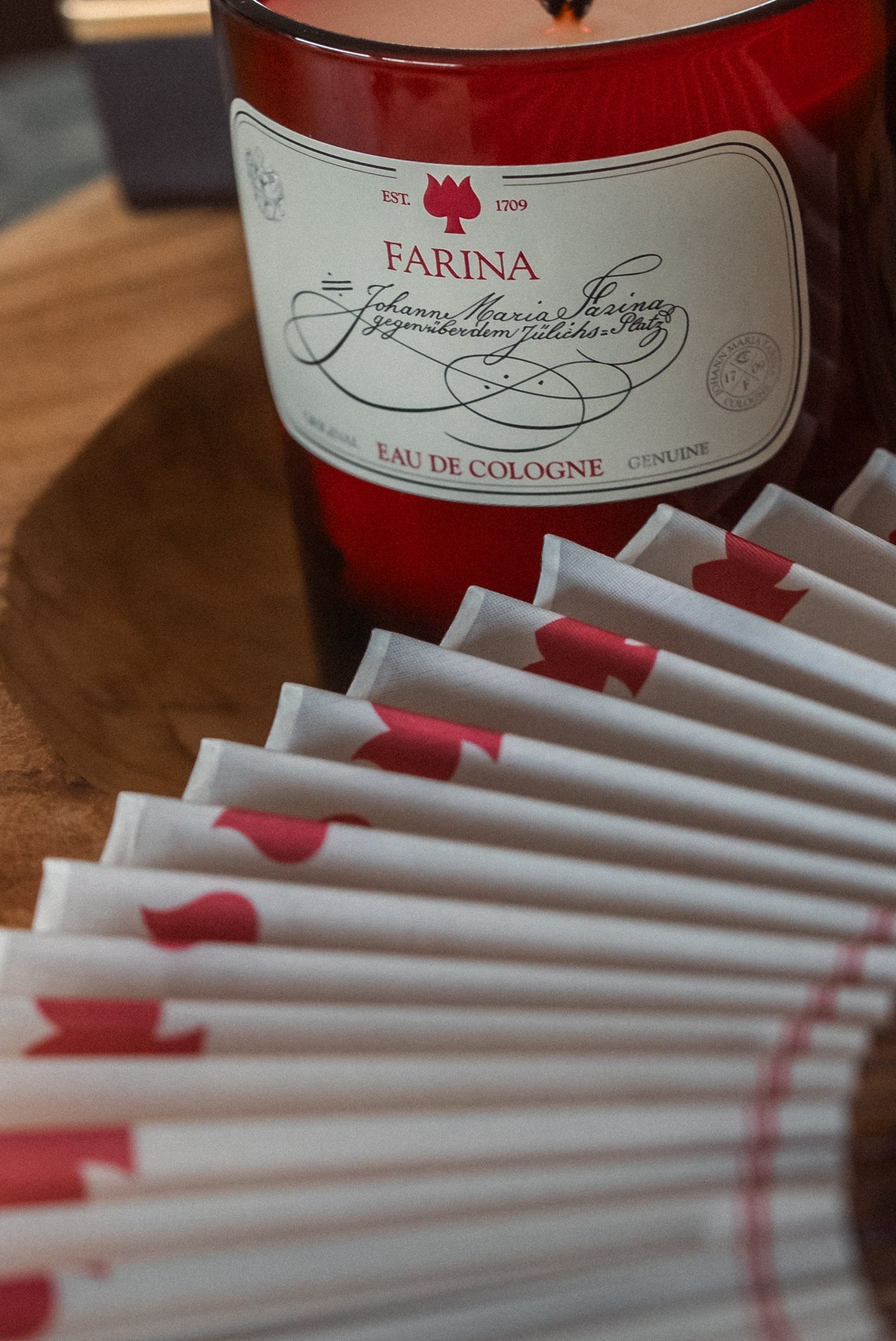
On first light, you get the same sparkling citrus opening. Fresh and invigorating, like the cologne’s “Italian spring morning”, but as it burns, those floral accents (especially neroli) are more noticeably, and the amber musk base gives a subtle warm feeling. It’s not herbaceous or green heavy like some colognes. The red glass container is a cool historical nod too. It picks up the classic Farina color scheme.
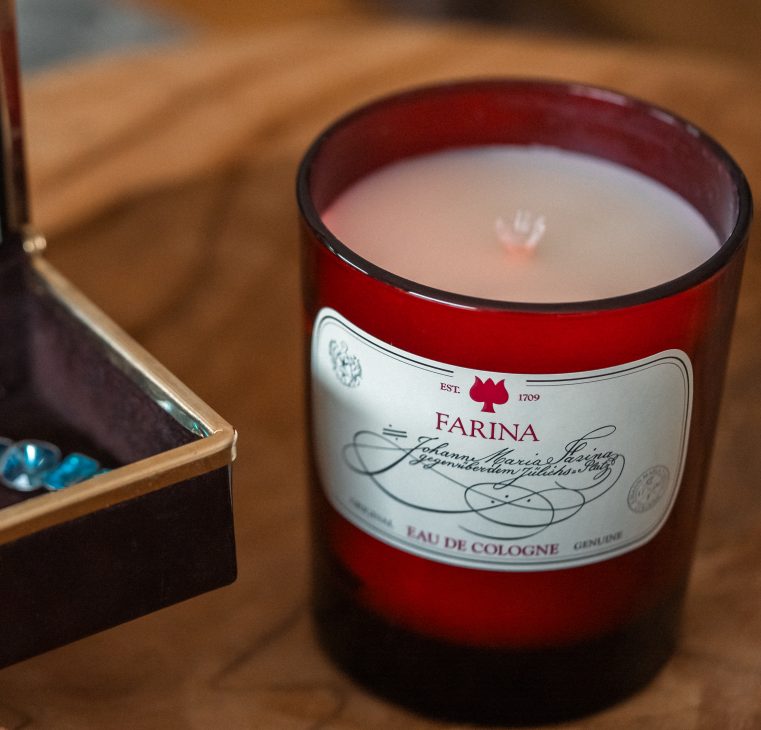
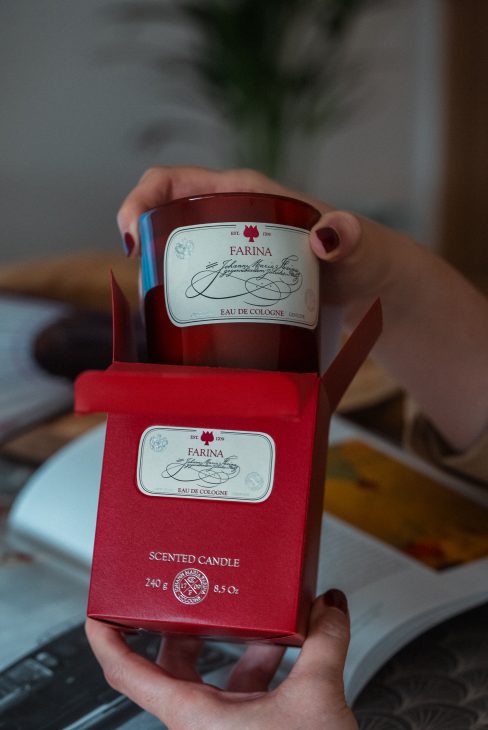
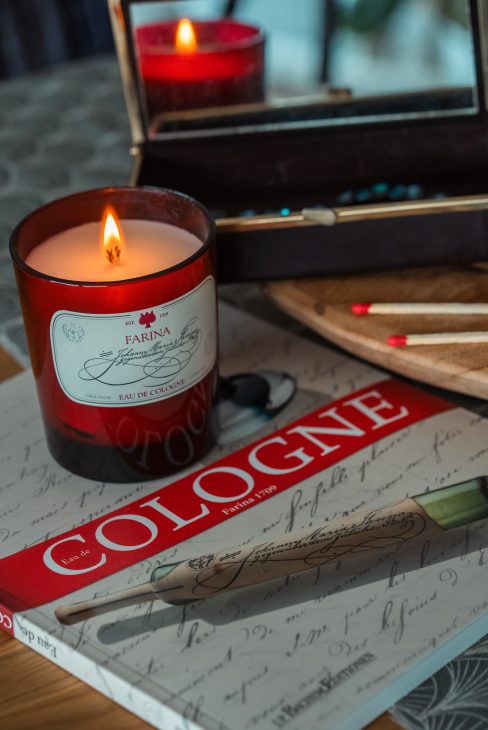
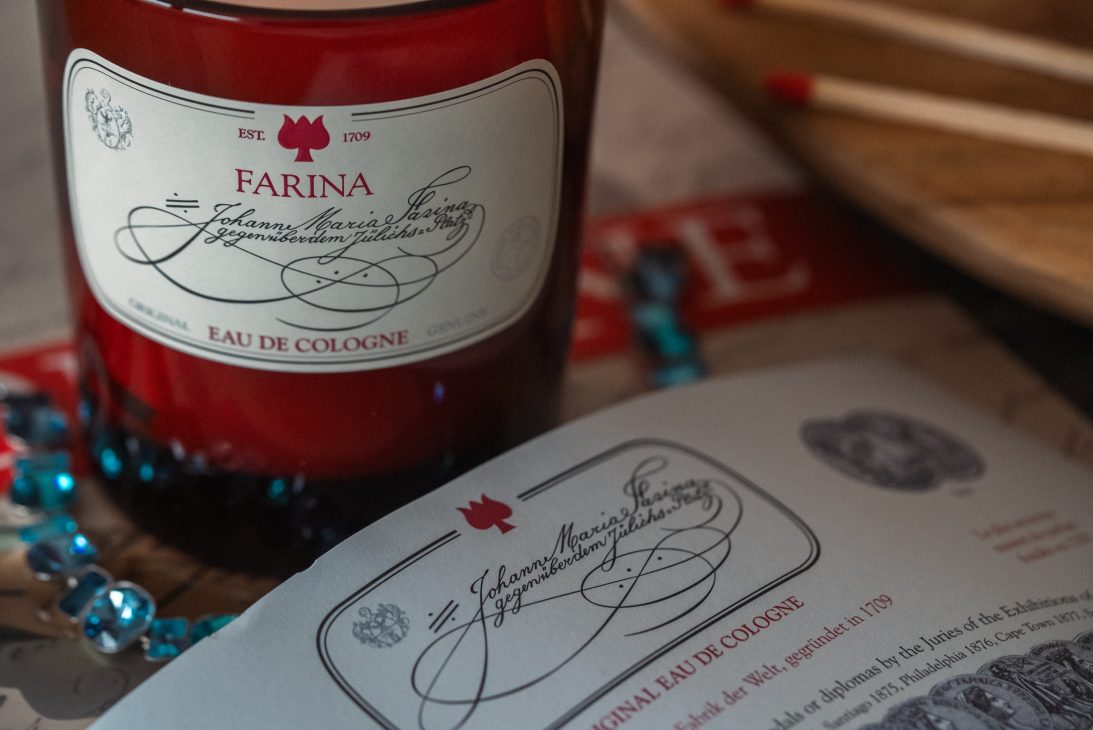
Performance wise, the wick burns evenly and clean (no sooting or tunneling for us), and the throw is surprisingly good. Fills a pretty large living room area.
We had it going for a little while, and the whole space felt refreshed and lightly scented.
This candle is a home extension of their historic cologne. Great for when you want the Farina freshness around.
Two little extras we loved
Their handheld fan, super classy little thing. It’s lightweight, foldable, and printed with that iconic red tulip motif from Farina. On warm days, you wave it to disperse the cologne around you and your surroundings while getting some actual cooling air. Practical and elegant.
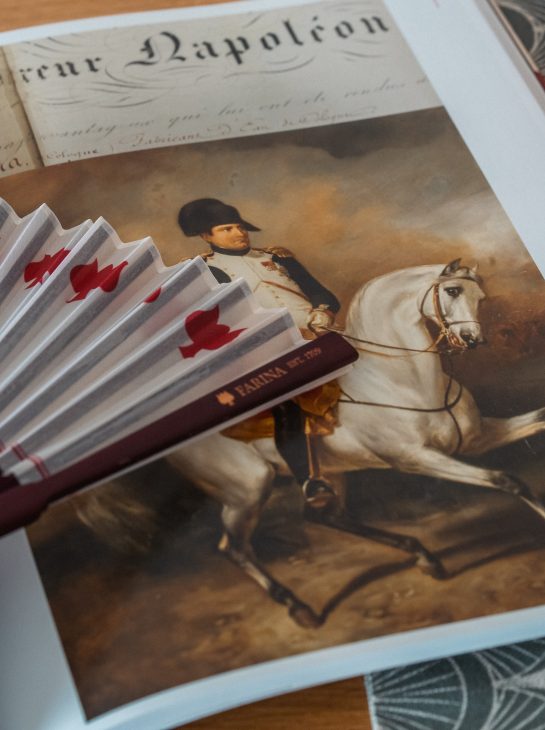
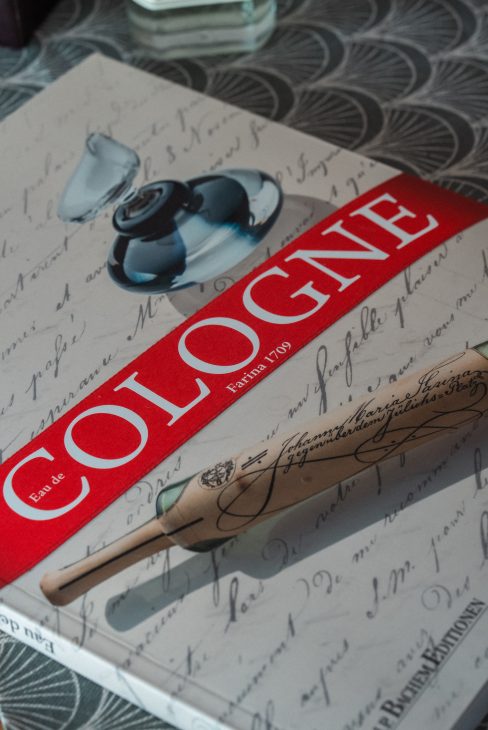
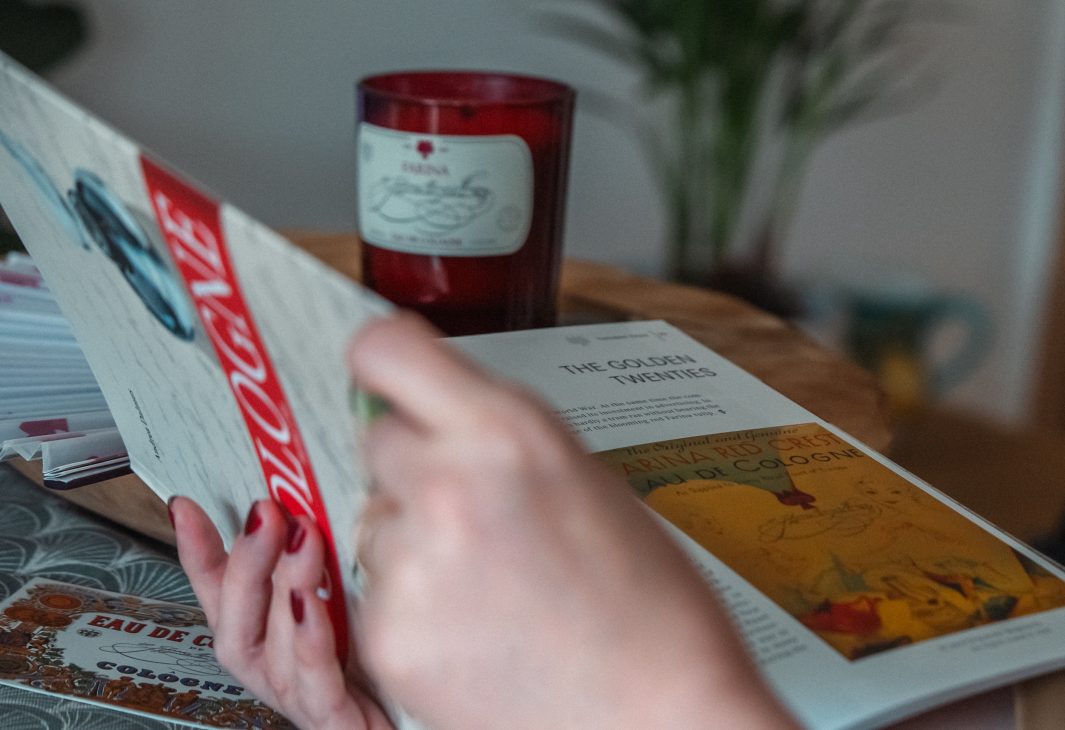
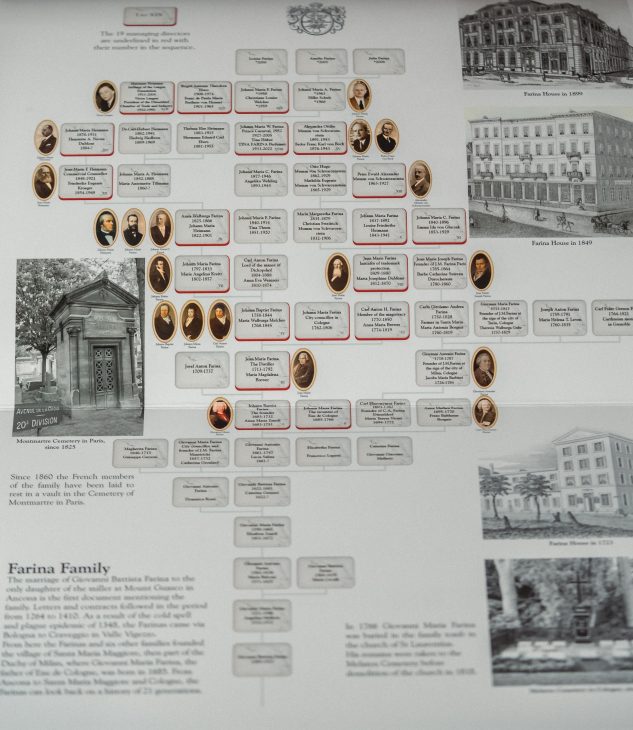
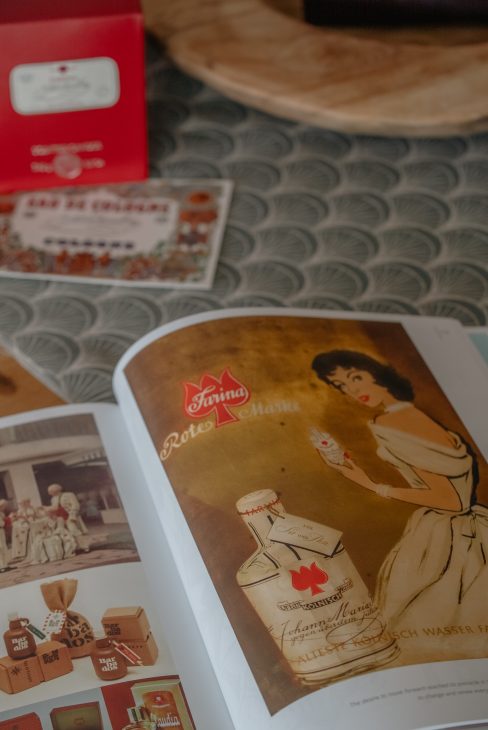
Then there’s the book: “Eau de Cologne Farina 1709 – The Story of a World-Famous Fragrance”. It’s a nice, compact read that describes the house’s history. From Johann Maria Farina’s 1709 creation to how it became a global thing, with all the royal fans and cultural bits. Great photos, easy to flip through, and perfect for perfume nerds who love the backstory. A must have if you’re into reading about this stuff (we definitely are). It’s a cool way to learn more while sipping coffee and smelling the cologne on your wrist.
These extras make the whole Farina experience feel even more complete. History, scent, and little thoughtful touches.
So that’s our take on Farina 1709. The original Eau de Cologne house that’s been around since 1709 and still is relevant today.
What we love most is the history behind it. Holding something that’s been loved by writers, royals, and everyday people for centuries.
Thanks for reading along. Hope it sparked some curiosity about these old school classics.
You can see all about Farina 1709 in the link HERE
Disclosure: We got in touch with Farina 1709 to chat about perfume history, and they generously sent over their goodies for us to try. They let us write freely whatever we felt. All opinions here are 100% our own.
Living fully, lightly scented 🌿
Thanks for stopping by. See you next time.